
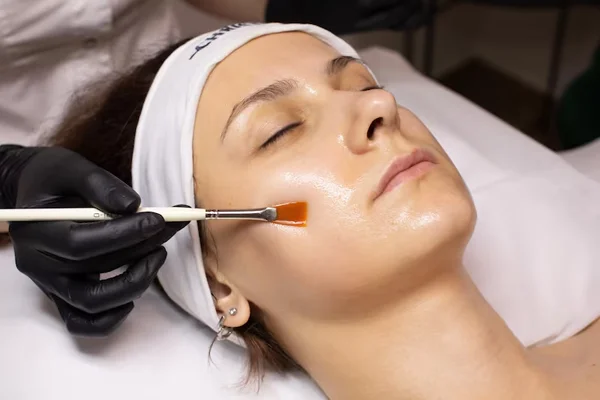
Chemical peels are professional skin treatments that use specially selected chemical solutions to exfoliate the outer layers of the skin. Depending on the type and strength of the peel, the treatment can help improve the appearance of uneven skin tone, pigmentation, acne marks, dullness and rough skin texture.
At Smiling Faces Clinic, Fatehabad, chemical peel treatments can be planned according to individual skin type and concerns. The appropriate peel, concentration and treatment frequency depend on the condition of the skin and the desired outcome.
A chemical peel involves applying a carefully selected solution to the skin for a controlled period. The solution helps remove damaged or dead surface skin cells and encourages the skin to renew itself.
Different chemical peels work at different depths. Superficial peels are generally used for mild skin concerns, while deeper peels have a greater effect on the skin and require more careful medical assessment and aftercare.
A professional skin evaluation is important before selecting a peel.
Chemical peels may be considered for a variety of cosmetic skin concerns, including:
Certain peels can help exfoliate clogged surface skin and improve the appearance of mild acne-related marks. The appropriate treatment depends on the type and severity of acne.
Chemical peels may help improve the appearance of certain types of pigmentation and uneven skin tone by promoting controlled exfoliation.
Sun exposure and other factors can contribute to uneven-looking skin. Selected peels may help create a more uniform appearance.
Accumulation of dead skin cells can make the skin appear dull. Exfoliation through a chemical peel may leave the skin looking fresher and smoother.
Chemical peels can help remove superficial dead skin cells and improve the feel and appearance of rough or uneven skin.
The appropriate peel depends on the patient's skin and treatment goals.
These work mainly on the outermost layers of the skin and are commonly used for mild pigmentation, dullness and uneven texture.
These penetrate deeper into the skin and may be considered for selected pigmentation, acne marks and other concerns. They generally require more attention to recovery and aftercare.
Different active ingredients may sometimes be combined or selected according to specific skin concerns. The formulation should be chosen by a qualified professional based on the individual's skin.
The skin is evaluated to understand its type, sensitivity, pigmentation and specific concerns.
The skin is cleansed thoroughly before the peel is applied.
The selected chemical solution is carefully applied to the treatment area for a controlled period.
Depending on the type of peel used, the solution may be neutralized or removed after the recommended exposure time.
Appropriate moisturizer, sunscreen and other recommended skincare products may be advised following treatment.
For appropriately selected patients, chemical peels may provide several cosmetic benefits:
Results vary depending on the type of peel, skin condition, treatment frequency and individual response.
Acne-prone skin may benefit from carefully selected exfoliating treatments. Some chemical peels can help remove excess surface buildup and improve the appearance of clogged pores and acne marks.
However, active or severe acne may require medical treatment rather than relying only on cosmetic procedures. A proper assessment helps determine whether a chemical peel is appropriate.
Pigmentation can have several causes, including sun exposure, hormonal changes and post-inflammatory changes following acne or skin irritation.
Chemical peels may help improve certain superficial pigmentation concerns, but results depend on the underlying cause. Sunscreen and appropriate skincare are particularly important when treating pigmentation.
Recovery depends on the depth and strength of the peel.
After treatment, some patients may experience:
Patients should avoid picking or peeling the skin and follow the recommended skincare routine.
Sun protection is especially important after a chemical peel, as recently treated skin can be more sensitive to sunlight.
To support skin recovery, patients may be advised to:
The exact aftercare plan depends on the type of peel used.
The number of sessions depends on the skin concern and the type of peel selected. Some concerns may show improvement after one treatment, while a series of sessions may be recommended for more persistent pigmentation, acne marks or texture concerns.
Treatment should be spaced appropriately to allow the skin to recover between sessions.
Chemical peels may not be suitable for everyone. A professional assessment is particularly important if you have:
The treatment provider should be informed about current skincare products, medications and previous cosmetic treatments before undergoing a peel.
At Smiling Faces Clinic, Fatehabad, skincare treatments are planned according to individual skin concerns rather than using the same treatment for everyone.
If you are looking for chemical peels in Fatehabad for pigmentation, acne marks, uneven skin tone, dullness or rough skin texture, a professional skin assessment can help identify the most suitable treatment.
Smiling Faces Clinic in Fatehabad offers chemical peel treatments based on individual skin type and concerns. The appropriate peel and treatment schedule are decided after assessing your skin and discussing your expectations.
A chemical peel is a professional skin treatment that uses a selected chemical solution to exfoliate the skin and improve its appearance and texture.
Selected chemical peels may improve the appearance of certain types of superficial pigmentation and uneven skin tone.
Yes, certain peels may help improve the appearance of superficial acne marks and uneven skin texture.
Most superficial peels cause mild sensations such as tingling or warmth. The experience depends on the type and strength of the peel.
Some chemical peels can cause dryness, flaking or peeling during recovery. The amount depends on the type and depth of the treatment.
The number of sessions varies according to the skin concern, peel type and individual response. A personalized treatment plan is recommended.
Sun exposure should be minimized after a chemical peel, and regular broad-spectrum sunscreen should be used as advised.
Smiling Faces Clinic, Fatehabad offers professional chemical peel treatments for selected pigmentation, acne marks, uneven skin tone and skin texture concerns.



Write a Reply or Comment